
Artur Pogosyan
MD | Neurologist
My mission is to protect patients’ interests, bring clarity to complex medical situations, and ensure that every case is handled with professionalism, fairness, and integrity.
- To me, life is about constant growth, the pursuit of meaning, and creating something greater than success itself.
- I build my life around ideas that have the power to shape the future.
- I strive for a world where technology, human intelligence, and human potential work together.
- I am inspired by human development, freedom of thought, and ideas that can truly change the world.
- I do not want to live an ordinary life.
- I want to create something that leaves a lasting impact.
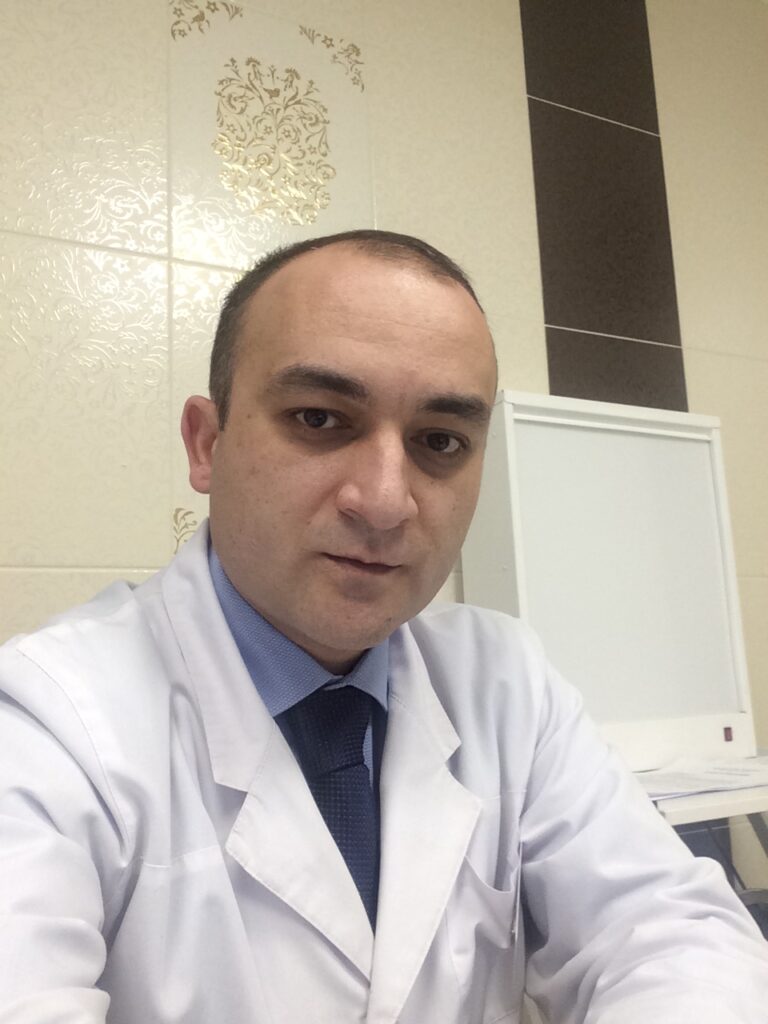
Hello, my name is Artur Pogosyan. I am a neurologist with more than 15 years of professional experience.
Welcome to my website — a place where we openly address one of the most overlooked issues in modern medicine: the protection of patients’ rights.
My mission is to stand on the side of the patient — to explain, protect, support, and help people navigate complex medical situations in search of truth and fairness.
Every day, I witness how vulnerable patients can become within a system where the interests of hospitals, medical professionals, and insurance companies are often placed above the interests of the individual.
“Our lives begin to end the day we become silent about things that matter.” — Martin Luther King Jr.
I created this project because I believe the time has come to change the system.
For more than 15 years, I worked within the healthcare system of Moscow and the Moscow region. During those years, I witnessed countless situations that clearly demonstrated how vulnerable patients are inside the medical system.
Throughout my career, I repeatedly saw patients placed in danger not because of their illness itself, but because of the system.
For example, patients often came to me after spending months undergoing the same tests, repeat consultations, and expensive procedures — instead of receiving a clear explanation of the real cause of their condition and an effective treatment plan.
Formally, everything looked correct: recommendations were followed, tests were ordered, protocols were completed. But in reality, people lost time, money, and continued living with unresolved problems.
In situations like these, I often had to carefully review medical histories, explain patients’ rights, help them obtain second opinions, and ensure they received truly necessary care rather than solutions that were merely “convenient” for the system.
But this is only one side of the problem.
There is another side — quieter, but no less dangerous.
Very often, patients come to me after receiving treatment recommendations they do not fully understand. They are prescribed medications — but do they really need them? They are advised to undergo expensive examinations — but are these recommendations truly supported by evidence-based medicine and clinical standards? Or are they simply financially beneficial for the clinic?
Sometimes the opposite happens: a patient presents with clear symptoms, yet the physician fails to order a test that is mandatory according to medical guidelines. The issue is ignored. No explanation is given. The physician simply does not consider it necessary.
And yet that very examination may be the key to establishing the correct diagnosis. In cases like these, time can cost a person their health — or even their life.
Patients cannot verify these things themselves. They are not expected to be doctors.
But my perception of medicine changed completely when I personally became a patient. Only then did I fully understand how unprotected a person can feel inside the healthcare system. And this problem is not limited to Russia — the same issues exist in the United States, Europe, and virtually every healthcare system in the world.
“Of all the forms of inequality, injustice in healthcare is the most shocking and inhumane.” — Martin Luther King Jr.
The Most Dangerous Problem in Modern Medicine Is Medical Error — Not Disease
And this is not speculation. It is supported by global statistics.
According to the World Health Organization:
- One in ten hospitalized patients worldwide suffers harm while receiving medical care.
- More than 3 million deaths every year are associated with unsafe medical care, and up to half of these cases could have been prevented.
- In outpatient care, up to 40% of patients experience harm, and as many as 80% of these situations may be preventable.
- Medication errors remain one of the leading causes of patient harm worldwide, with estimated global costs reaching approximately $42 billion annually.
These numbers are not just statistics. They represent real human lives and real tragedies that could have been prevented if the system functioned differently.
Millions of people seek medical help — yet many are left without meaningful protection. Their rights exist mostly on paper, while systemic failures continue to harm and sometimes kill.
In my view, the root of this problem goes much deeper than physician negligence or difficult clinical cases. I believe the main cause of medical errors is not only the human factor, but the lack of true protection of patients’ rights.
When patients’ rights are weakly protected, errors become almost inevitable — because the system does not adequately regulate itself, does not carry sufficient accountability, and does not always operate in the patient’s best interest.
That is why, if we truly want to reduce medical errors, we must begin with the most important foundation: protecting the patient.
The Illusion of Protection: Five Levels That Often Fail
We are used to believing that medicine is a territory of safety — that when a person seeks help, the system is obligated to protect them from harm.
In theory, modern healthcare has five levels of patient protection.
1. The Physician
The physician is expected to diagnose, explain treatment options, discuss risks and benefits, consider the patient’s wishes, and make decisions together with the patient.
2. The Medical Institution
Hospitals and clinics are expected to maintain safety standards, monitor quality of care, investigate complaints, and protect patients inside the system.
3. Insurance Companies
In insurance-based systems, insurance providers are expected to verify medical necessity, allow appeals, and protect patients from unnecessary financial burdens.
4. Government and Healthcare Authorities
Governments license physicians and hospitals, establish regulations, conduct inspections, and investigate violations.
5. Independent Oversight Structures
Ombudsmen, accreditation bodies, professional associations, and courts are intended to stand above the system and defend patients even when violations involve physicians or medical institutions themselves.
On paper, this structure appears ideal.
But reality is often very different.
Every level has serious limitations.
The physician may face conflicts of interest because they work within a system shaped by institutional policies, financial pressures, productivity metrics, and administrative expectations.
Medical institutions often prioritize financial stability, reputation management, and risk reduction over patient interests.
Insurance companies are businesses whose objective is frequently cost control rather than patient advocacy.
Government oversight is largely reactive. Investigations usually begin only after harm has already occurred.
Independent organizations also tend to operate after the fact — once damage, complaints, or public scandals already exist.
In other words, the system is primarily reactive rather than preventive.
Where the System Truly Breaks Down
There is one place where this entire multi-layered system of protection effectively stops functioning.
That place is the physician’s office.
This is where the most important medical decisions are made.
This is where patients become most vulnerable.
The physician’s office is medicine’s blind spot.
Insurance companies are not there. Government agencies are not there. Independent oversight organizations are not there.
The patient is left alone with the system.
Without witnesses. Without objective documentation. Without reliable ways to later prove what truly happened.
Conversations between physicians and patients are rarely recorded objectively. Audio and video recording are often prohibited or discouraged. As a result, reconstructing the truth afterward becomes extremely difficult.
Who documents the visit? The physician.
Who writes the diagnosis? The physician.
Who records symptoms and recommendations? The physician.
The patient often discovers what supposedly “happened” only later — if they ever review their medical records.
And even if inaccuracies are found, correcting them can become nearly impossible because the system treats the written medical record as the official truth.
This is not merely a bureaucratic issue.
It directly affects people’s health, quality of life, and sometimes survival itself.
That is why I believe that regardless of how many formal layers of protection exist, everything ultimately comes down to one place: the physician’s office.
As long as the physician’s office remains a blind spot, patients will remain vulnerable, and medical errors will continue to happen.
Why Medicine Needs a Patient Health Advocate
In court, when a person’s freedom and future are at stake, society recognizes the necessity of legal representation.
A lawyer does not replace the judge. A lawyer does not issue the verdict.
But a lawyer exists so that the individual does not stand alone against a complex system they may not fully understand.
I believe medicine requires a similar evolution.
Patients should not be left alone at the exact moment when decisions about their health and lives are being made.
This is where the idea of a Patient Health Advocate — or “Physician-Advocate” — emerges.
A New Model: The Physician-Advocate
The model I describe does not currently exist in its complete form anywhere in the world.
A Physician-Advocate would be a medically trained specialist — a neurologist, nephrologist, gynecologist, urologist, or another qualified expert — who participates during consultations or multidisciplinary discussions in order to help make the decision-making process more transparent, understandable, and safe for the patient.
It is important to establish a clear boundary.
The Physician-Advocate does not replace the treating physician. They do not prescribe treatment. They do not take over clinical authority.
Final medical decisions remain entirely with the treating physician.
The role of the Physician-Advocate is different.
The role is to ensure:
- transparency,
- clarity,
- communication,
- protection of patient rights,
- and informed understanding.
Just as an attorney protects procedural fairness in court, a Physician-Advocate protects fairness and transparency within medical decision-making.
Core Principles of the Model
1. Proactive Protection
Current patient protection systems are mostly reactive.
First, harm occurs. Then comes the complaint. Then the investigation.
But true protection should begin before tragedy happens.
2. Presence at the Point of Decision-Making
The most important decisions in medicine happen inside the consultation room.
That is exactly where patient protection must exist.
3. Legal and Ethical Structure
This profession must have:
- defined responsibilities,
- ethical standards,
- professional boundaries,
- certification or licensing,
- accountability mechanisms,
- and quality oversight.
4. Independence
A true Patient Health Advocate cannot be financially dependent on hospitals, insurance companies, or healthcare administrators.
Otherwise, conflicts of interest become unavoidable.
5. Partnership — Not Conflict
The purpose of this model is not to create confrontation between doctors and patients.
Its purpose is to strengthen communication, reduce misunderstandings, improve transparency, and create trust.
Ideally, it helps physicians and patients become partners rather than adversaries.
How a Physician-Advocate Would Work
Before the Appointment
The Physician-Advocate helps patients prepare:
- organize medical records,
- summarize symptoms,
- identify critical warning signs,
- prepare important questions,
- and understand relevant clinical guidelines.
During the Appointment
The Physician-Advocate does not interfere with medical authority.
Instead, they help ensure:
- the patient fully understands the plan,
- allergies and contraindications are clarified,
- communication is accurate,
- clinical reasoning is explained,
- and major decisions are properly documented.
If necessary, the advocate may recommend obtaining a second opinion or multidisciplinary review.
After the Appointment
After consultations, patients are often left alone with:
- prescriptions,
- insurance issues,
- follow-up testing,
- anxiety,
- confusion,
- and unanswered questions.
The Physician-Advocate helps patients:
- understand next steps,
- interpret new results,
- prepare for future appointments,
- and navigate treatment more confidently.
Why This Model Benefits Everyone
This model benefits not only patients, but physicians and healthcare systems as well.
Benefits for Patients
- greater safety,
- fewer unnecessary procedures,
- more clarity,
- better understanding,
- and stronger protection.
Benefits for Physicians
- fewer conflicts,
- reduced legal risk,
- better communication,
- improved documentation,
- and stronger patient trust.
Benefits for Healthcare Systems
- fewer preventable complications,
- fewer lawsuits,
- lower long-term costs,
- reduced unnecessary procedures,
- and greater public trust in medicine.
This is not about adding another person into the room.
It is about transforming healthcare from a reactive system into a preventive and transparent one.
Common Questions and Concerns
“Will this interfere with physicians?”
No.
The Physician-Advocate does not override medical decisions. They do not direct treatment. They do not compete with physicians.
Their role is to support communication, transparency, and patient understanding.
“Don’t hospitals already have quality departments?”
Quality departments usually become involved after a problem occurs.
The Physician-Advocate works before and during the decision-making process.
This is the difference between reactive and proactive protection.
“Who pays for this?”
Different models are possible.
Most commonly, patients may choose to pay directly for support services.
However, in the future, such services could potentially become integrated into social or insurance-supported healthcare systems.
“What about conflicts of interest?”
The model only works if independence is preserved.
A true Patient Health Advocate cannot be controlled by hospitals, insurers, or administrators.
The profession would require:
- ethical codes,
- certification,
- liability insurance,
- and strict professional standards.
Everything New Seems Unusual at First
There was a time when lawyers themselves were viewed with suspicion.
Today, legal representation is considered an essential foundation of justice.
I believe medicine must eventually undergo a similar transformation.
Patients deserve protection not only after harm occurs — but at the moment decisions about their health are being made.
My Mission
My goal is not to fight medicine or attack physicians.
On the contrary, I sincerely believe that most physicians genuinely want to help their patients.
But I also understand that healthcare systems are structured in ways that often leave patients alone during the most important moments.
As long as the institution of the Patient Health Advocate does not officially exist, I want to provide patients with something essential:
understanding.
Understanding of diagnoses. Understanding of treatment standards. Understanding of patient rights. Understanding of the questions they should ask.
Because informed patients are safer patients.
How I Can Help You
At this stage, I provide support primarily through medical document review and educational analysis.
You may send:
- medical reports,
- MRI or CT scans,
- ultrasound results,
- EEG findings,
- laboratory tests,
- and other medical documentation.
I will review them using:
- international clinical guidelines,
- WHO standards,
- and principles of evidence-based medicine.
I do not replace your treating physician. I do not prescribe treatment. I do not provide official diagnoses online.
My role is to help you:
- better understand your situation,
- identify important questions,
- evaluate whether recommendations align with modern standards,
- and make more informed decisions about your health.
What I Specifically Do
Independent Review of Medical Cases
I carefully analyze medical records and compare them with current international clinical recommendations.
Clear Explanations
I explain medical information in clear, understandable language — without unnecessary medical jargon.
Evidence-Based Evaluation
I assess whether diagnostic and treatment recommendations are supported by modern evidence-based medicine.
Protection from Unnecessary Procedures
Unfortunately, patients are sometimes prescribed excessive or unnecessary testing and treatment.
I help patients better understand what is truly necessary.
Appointment Preparation
I help patients prepare the right questions before medical appointments so they can communicate more confidently.
Independent Perspective
I do not work for hospitals or insurance companies.
My role is to provide objective analysis focused exclusively on the patient’s interests.
Anonymous Survey
One of the most important steps in advancing this idea is gathering real data.
I created an anonymous survey to better understand:
- how often patients experience medical errors,
- confusion about treatment,
- lack of transparency,
- and feelings of helplessness within healthcare systems.
The survey is fully confidential and does not collect personal identifying information.
Every response matters.
The more people participate, the stronger the foundation becomes for official recognition of the Patient Health Advocate profession.
Survey results will later be presented in aggregate form through statistics, charts, and analytical reports.
A Message to Physicians
Dear colleagues,
The Physician-Advocate is not your enemy. Not an inspector. Not a competitor.
This model is designed to strengthen trust, improve communication, reduce legal risks, and make medicine safer for everyone.
We are on the same side:
the side of safety, science, transparency, and patient trust.
A Message to Patients and Families
Your health should never depend on guesswork.
You have the right to understand what is happening to you. You have the right to ask questions. You have the right to be heard.
And you should never feel alone inside the medical system.
A Message to Legislators and Healthcare Leaders
You have the power to help transform healthcare.
Give this profession legal recognition. Develop standards, certification systems, and educational programs. Support preventive patient protection.
This is not merely an expense.
It is an investment:
- in preventing medical harm,
- reducing lawsuits and compensation costs,
- improving trust in healthcare,
- and building a more transparent and mature medical system.
Final Words
If you support the idea of the Patient Health Advocate, support this initiative.
Share this project. Participate in surveys. Tell your story. Help bring attention to the need for real patient protection.
Because real change begins when people stop remaining silent.
And remember:
In modern medicine, the most important thing is not to stay silent and not to feel lost.
Your health is too important to face the system alone.
I am here. I am with you. I stand on your side.